



A recent global recall involving a multinational infant formula manufacturer has highlighted a key challenge in modern food safety management. More than one month elapsed between the initial abnormal findings, regulatory alerts, and the announcement of a global recall, showing that even companies with advanced quality systems can face perception blind spots within complex, globalized supply chains. As food safety risks increasingly cross borders and production stages, reliance on end-product testing alone is no longer sufficient.
From Compliance to Risk Management
Traditional food safety systems are built around compliance, focusing on whether test results meet regulatory limits. However, compliance does not always equate to zero risk. Advanced risk management emphasizes early identification of abnormal trends before critical thresholds are reached.
At the same time, risk awareness must extend beyond factory walls. In this case, the contamination source was linked to a third-party raw material supplier, highlighting the need for deeper upstream visibility and continuous monitoring across the supply chain.
From Experience-Driven to Data-Driven Control
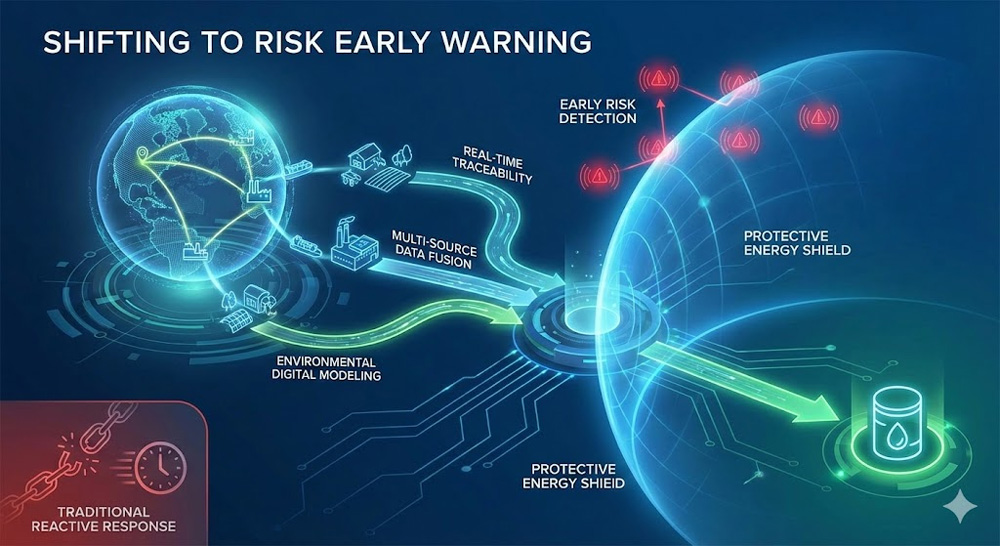
Modern food safety requires the ability to detect change early and intervene proactively. This shift depends on data-driven technologies, including:
l Real-time traceability: enabling instant linkage between raw materials and finished products to support rapid containment decisions
l Multi-source data integration: combining internal quality data, third-party test results, and global regulatory intelligence to identify emerging risk patterns
l Environmental monitoring and digital modeling: enabling continuous oversight of production conditions before contamination reaches products
These approaches help narrow the gap between anomaly detection and corrective action.
Looking Ahead
This incident marks a turning point for the industry. Periodic sampling and retrospective investigations alone can no longer meet the demands of fast-moving, global food systems. The next stage of food safety lies in early perception and proactive risk prevention.
As food safety technology providers explore full-chain digital solutions, a key question remains: how can advanced early warning capabilities be transformed into practical, cost-effective tools for everyday operations? This is where the strategic value of rapid food safety testing technologies continues to take shape.


 Log in
