




Why Sample Preparation Matters in Rapid Food Safety Testing
Six design priorities and four technology directions shaping faster, more reliable screening
Food matrices bring fats, pigments, proteins, salts and natural chemicals into the test workflow. When preparation is poorly matched to the matrix, even a well-designed assay may produce weak, delayed or inconsistent results.
Rapid testing does not always need exhaustive cleanup. It needs enough interference control to support the intended screening decision—quickly and consistently.

Different purpose, different preparation strategy

Six priorities—one practical balance
A rapid preparation method succeeds when it balances performance and usability around the required decision level.
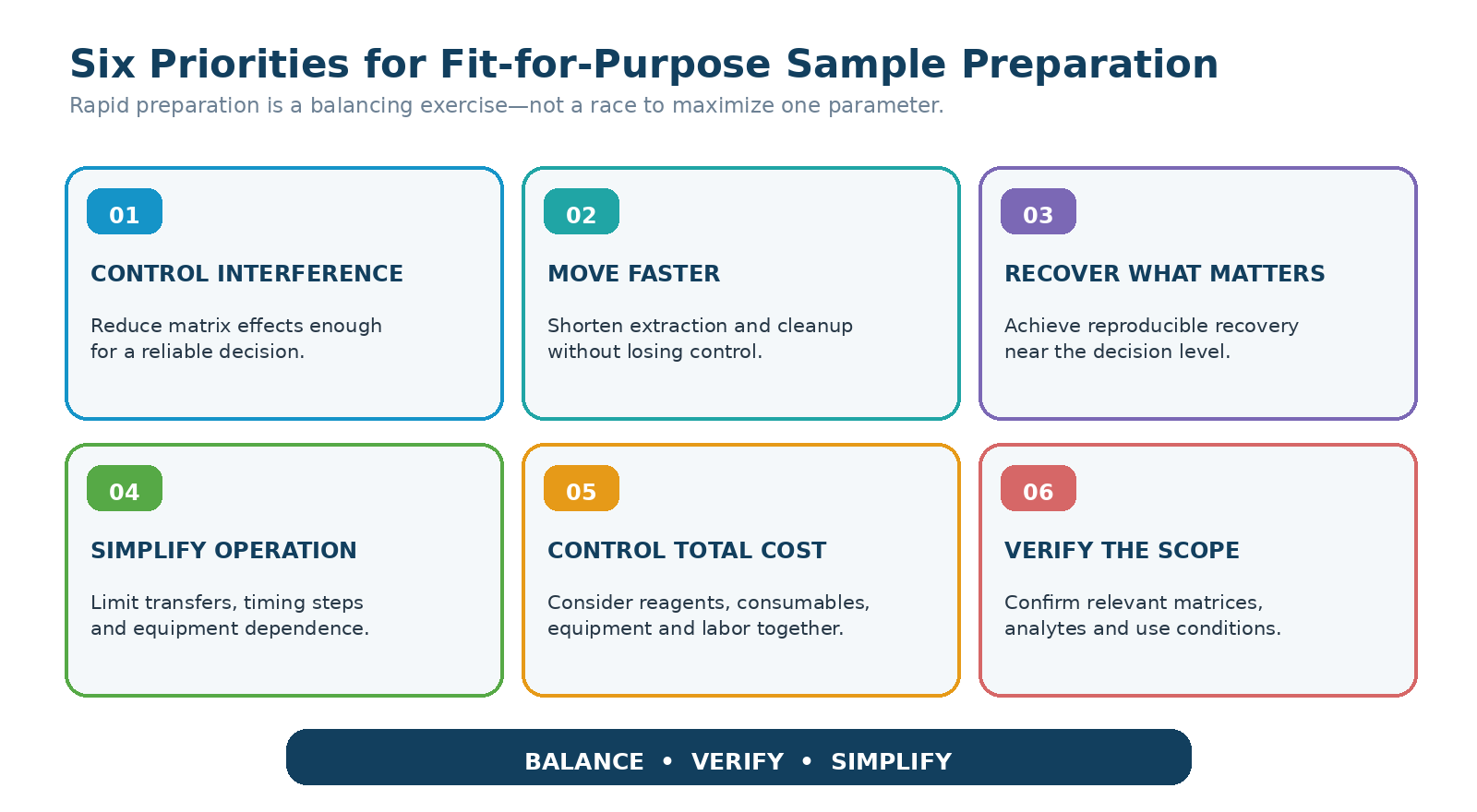 Figure 1. Six priorities that should be balanced in fit-for-purpose rapid sample preparation.
Three rules keep the balance
· Control—not necessarily eliminate—matrix effects. Extra cleanup can add time and analyte loss without improving the screening decision.
· Validate near the decision level. Recovery and repeatability matter most where the result changes the next action.
· Keep scope claims evidence-based. Applicability should remain within evaluated matrices, analytes and operating conditions.
Four technology paths are converging
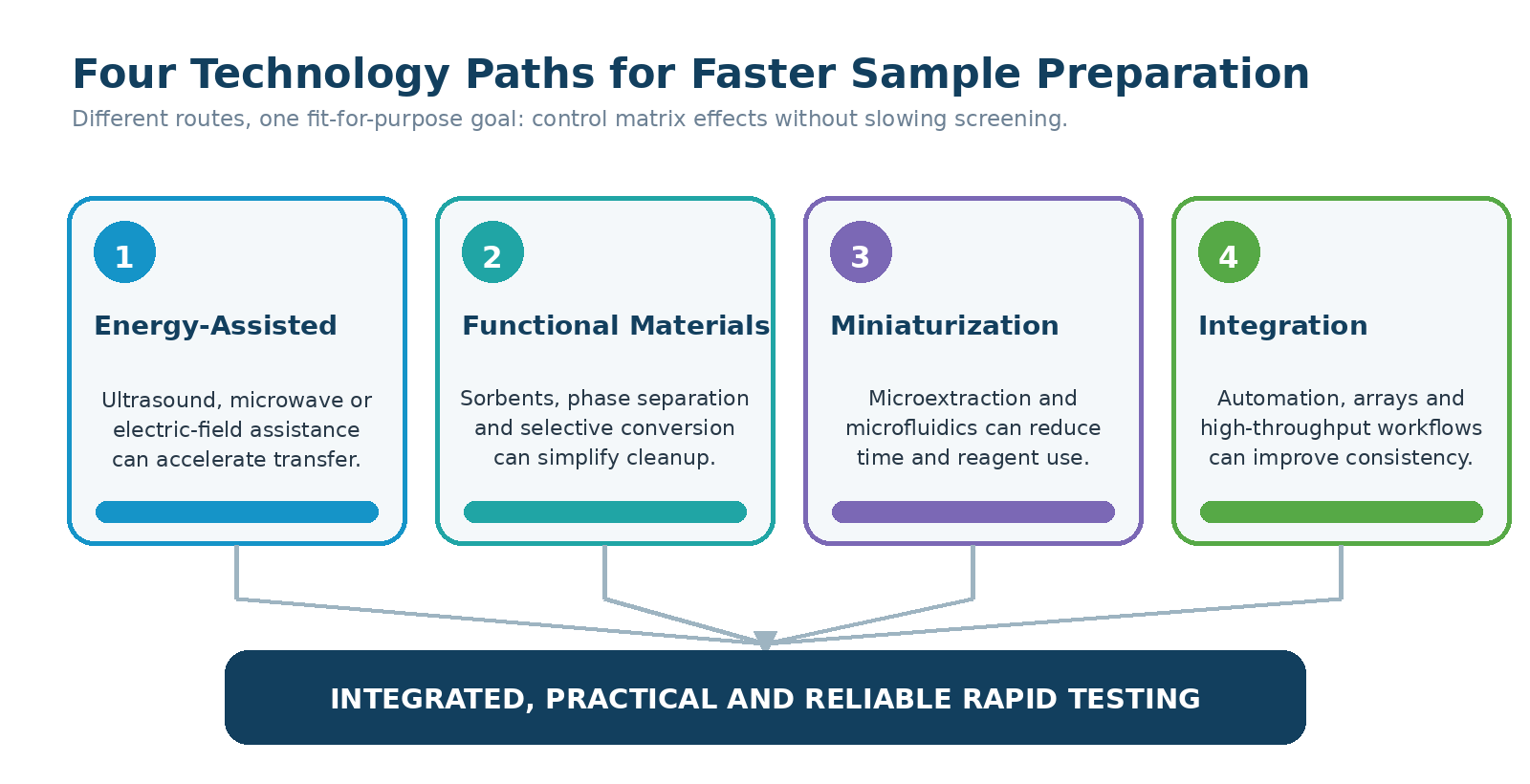 Figure 2. Energy assistance, functional materials, miniaturization and integration offer complementary routes.
Toward “All-in-One” rapid testing
The direction is shifting from isolated preparation steps toward coordinated workflows that connect separation or enrichment with portable detection and digital interpretation.
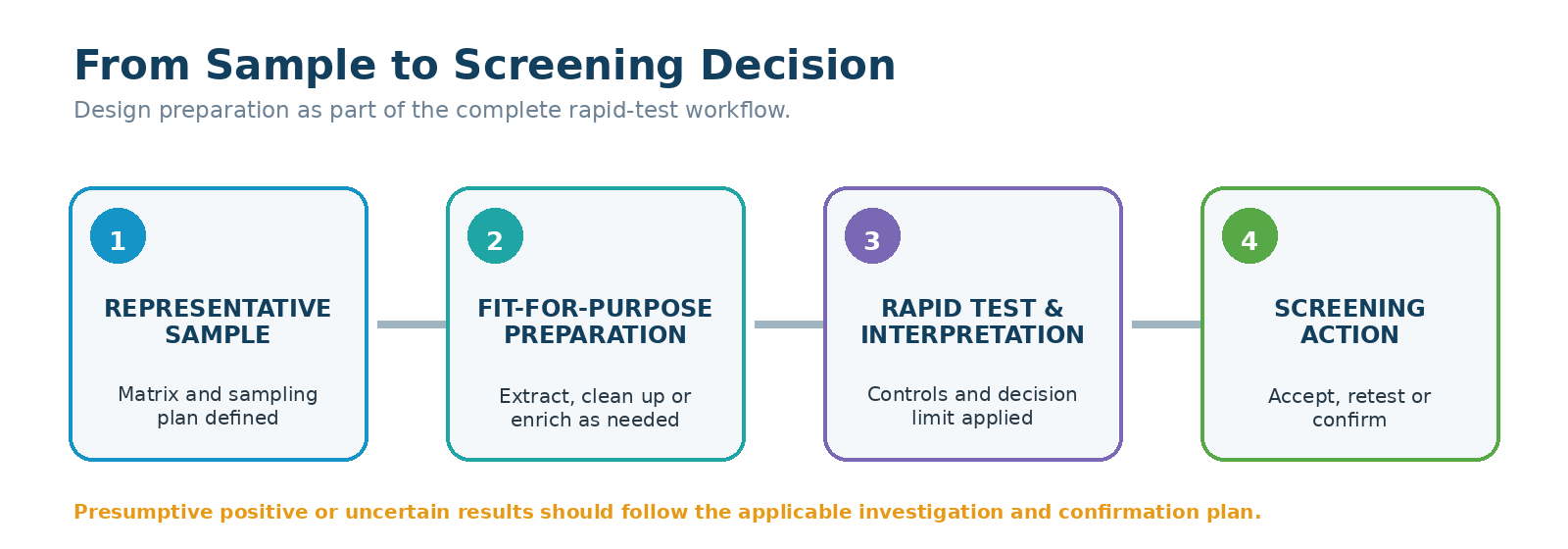 Figure 3. Sample preparation should be designed as part of the complete screening decision pathway.
The practical takeaway
Integration can reduce transfers and operator variability, but it does not guarantee universal applicability. Matrix scope, controls, decision limits and confirmation pathways still require validation.
FSTest welcomes technical exchange with overseas distributors, laboratories, food producers and research partners on matrix evaluation, workflow optimization and application development.



 Log in
