




E. coli Enumeration in Frozen Fruit Processing
What routine counts can and cannot tell you
In July 2026, U.S. public health authorities began investigating an outbreak of E. coli O145:H28 infections linked to frozen blueberries. CDC declared the outbreak over on September 21, while an expanded recall covering additional blueberry and mixed-berry lots was announced on October 2.
For processors and importers, the practical task is to combine routine microbiological quality monitoring with targeted pathogen testing—without asking one method to answer both questions.
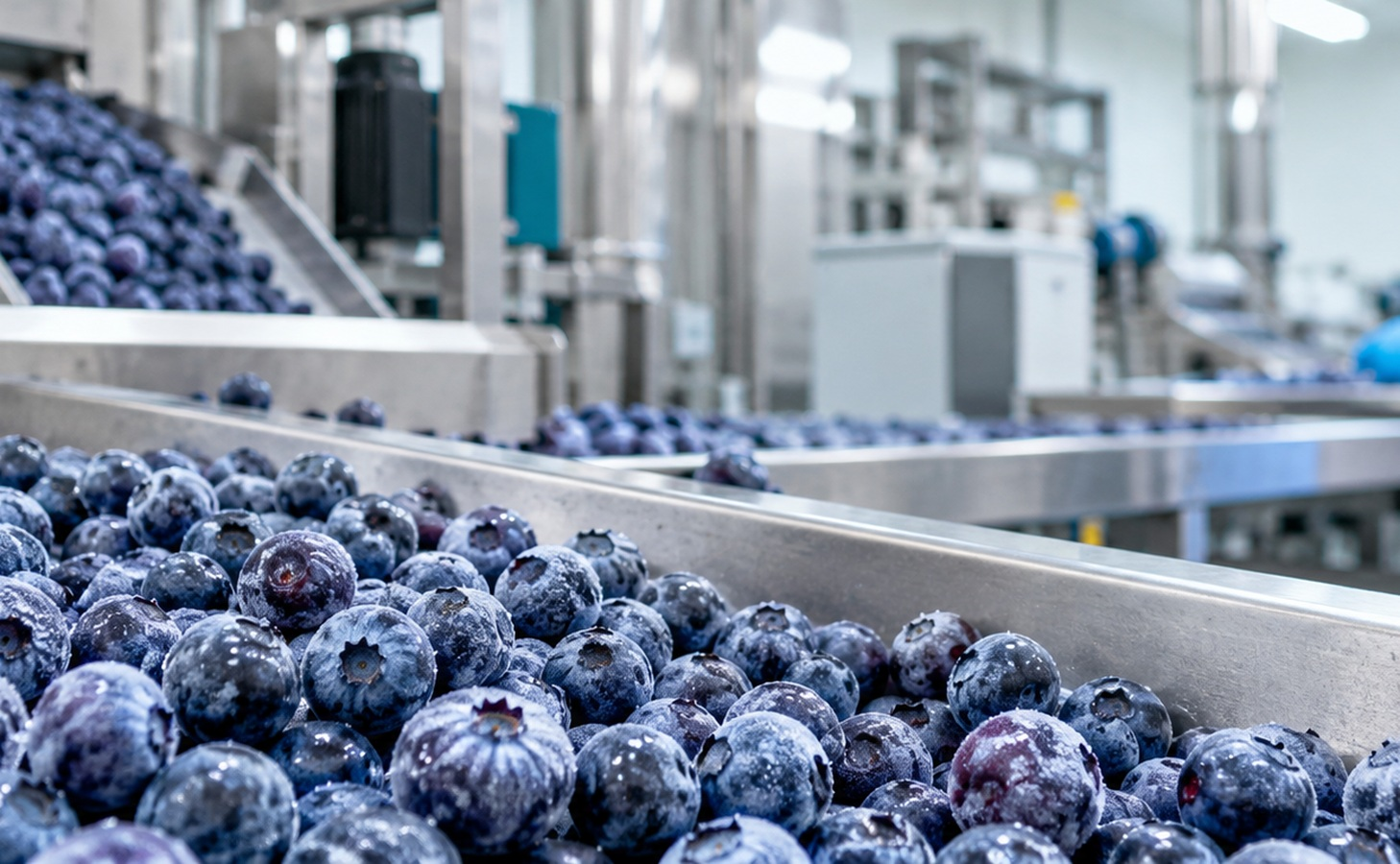
Frozen storage limits growth but is not a validated pathogen-kill step.
Different tests answer different questions
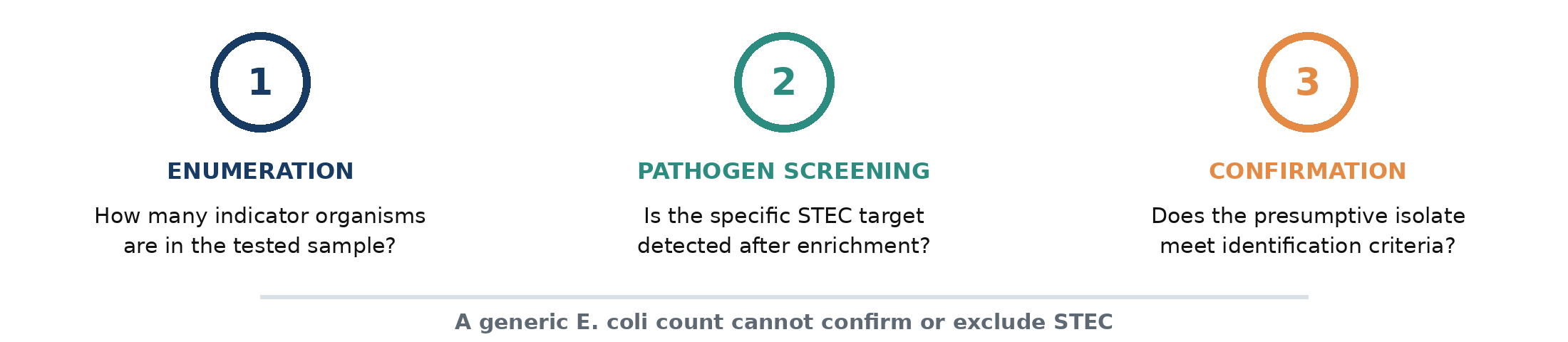
A low generic E. coli count does not rule out STEC contamination; a high count does not establish that a pathogenic strain is present. Routine enumeration, pathogen screening, and confirmation should therefore remain distinct but connected activities.
A practical testing workflow for frozen fruit

Representative sampling. Build the plan around the lot, production history, package distribution and raw-material source. Record supplier, lot, production date, storage conditions and sampling locations; retain material for follow-up where appropriate.
Controlled preparation. Follow the selected method for thawing, homogenization, sample mass, diluent and preparation time. These variables influence organism recovery and comparison between lots or suppliers.
Enumeration and trend analysis. Use an appropriate count method to monitor raw materials, finished products or process hygiene. Establish acceptance criteria from applicable requirements, specifications and validated process data—not from a universal threshold.
Targeted STEC testing. Where STEC is a relevant hazard, use a validated matrix-appropriate method with the required enrichment, target screening and confirmation. Routine enumeration must not substitute for STEC-specific testing.
Corrective action. Interpret results with supplier history, sanitation, process controls and traceability. Elevated indicator counts and presumptive pathogen positives require different responses, while a negative result remains limited by the sampling plan and method.
FSTest E. coli Count Plate for routine enumeration
The FSTest E. coli Count Plate (Cat. No. 21117) is a ready-to-use, single-use dehydrated culture-medium system for routine enumeration in food, beverage and environmental samples. Its chromogenic β-glucuronidase reaction produces visible blue-green colonies after incubation.
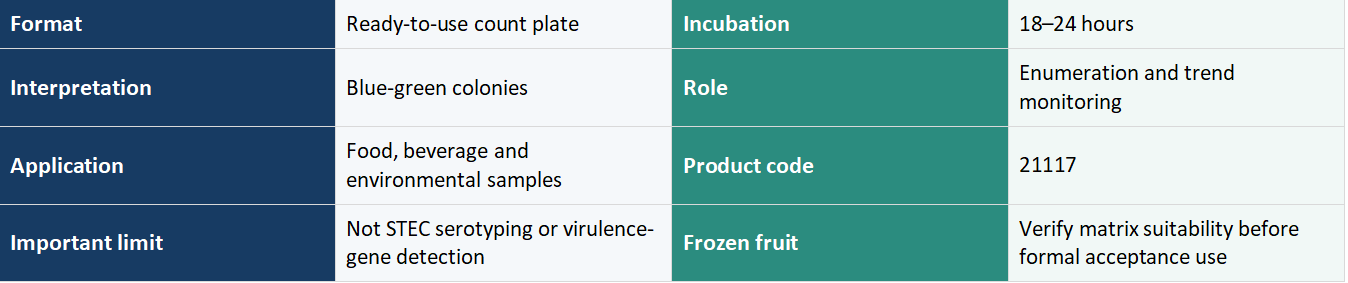
Interpretation boundary. Colony color supports enumeration within the method’s defined scope; it does not identify STEC virulence genes or serotype. Some E. coli may be β-glucuronidase negative, so the count plate should not be used to exclude pathogenic strains.
Build the program around the analytical question
Routine enumeration characterizes microbiological quality; targeted pathogen methods address specific hazards; confirmation and traceability support defensible decisions. Used within a documented risk-based program, these layers can strengthen supplier verification and routine control without overstating what any single test can establish.
References
1. FDA. Outbreak Investigation of E. coli O145:H28 Frozen Blueberries July 2026
2. FDA. BAM Chapter 4 Enumeration of Escherichia coli and the Coliform Bacteria
3. FDA. BAM Chapter 4A Diarrheagenic Escherichia coli
4. FSTest. E. coli Count Plate Cat. No. 21117


 Log in
